Having written an in-depth article on Russia's
Kaliningrad oblast for an article I was working on back in 2002, I'm always interested when the territory makes its way into the news. Most people don't even know of the existence of this strange corner of the earth, but judging from Russian President Medvedev's
state of the union speech last week, it could feature very prominently in relations between Russia, the US and Europe over the next decade.
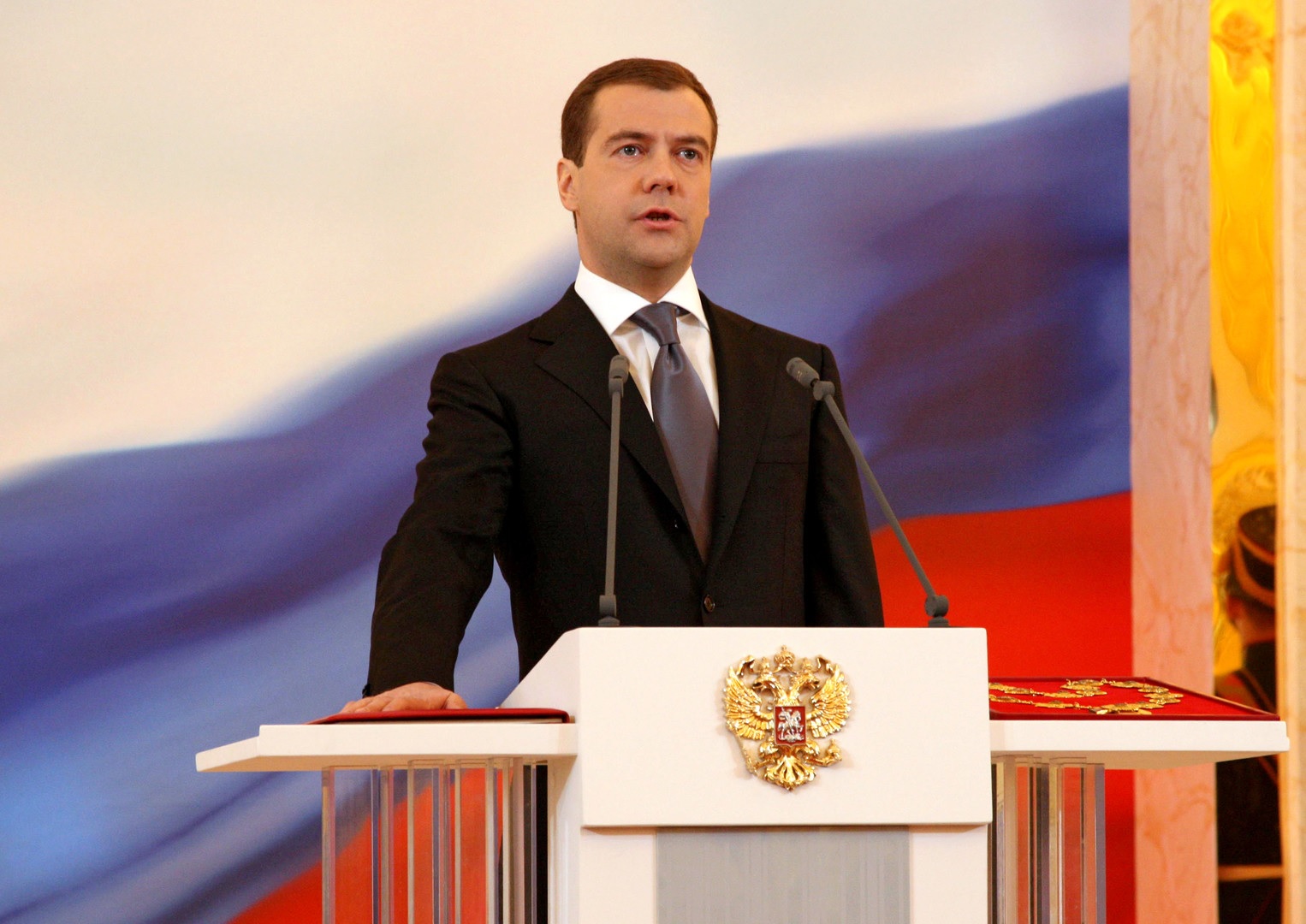
Russia didn't waste any time testing Obama's mettle, with President Dmitry Medvedev delivering a speech the day after the historic election lambasting the United States for
provoking the Georgian conflict, leading the world into economic
disaster, and threatening Russia with its
missile defense system it is installing in Poland and the Czech Republic. These complaints aren't new, but on the last point President Medvedev matched actions to words, saying Russia would install short-range missiles just off the Polish border in its territory of Kaliningrad, in response to the US "provocation." If Russia were to carry out this threat, it could provoke a new Cuban missile crisis for the EU and the new US president Obama.
A spokesperson for Obama said today that the president-elect hasn't yet made a decision on whether to continue the Bush Administration's plans for the missile defense system.
 So I think this is big news, but coming as it did after Obama's historic election, its been largely overshadowed. Additionally, I've been struck by some of the basic points the media seems to be missing with this news. For one, they keep referring to Kaliningrad as an "enclave" of Russia, when in fact it is an exclave (a territory is an enclave of a country it is completely surrounded by, it is an exclave of the country it belongs to). This may seem like a trivial semantic difference, but by failing to highlight the fact that Kaliningrad is an exclave of Russia it seems to me the media is missing the point. When they refer to the territory as being "on the border of Lithuania and Poland" they fail to mention that it is surrounded by those countries, which are both now in the EU. That means the Russian territory of Kaliningrad is located within the EU. It would be as if Russia owned the US state of Connecticut and was going to install missiles there. Keep in mind this is no insignificant territory, being larger than Connecticut and located on the strategically important Baltic Sea.
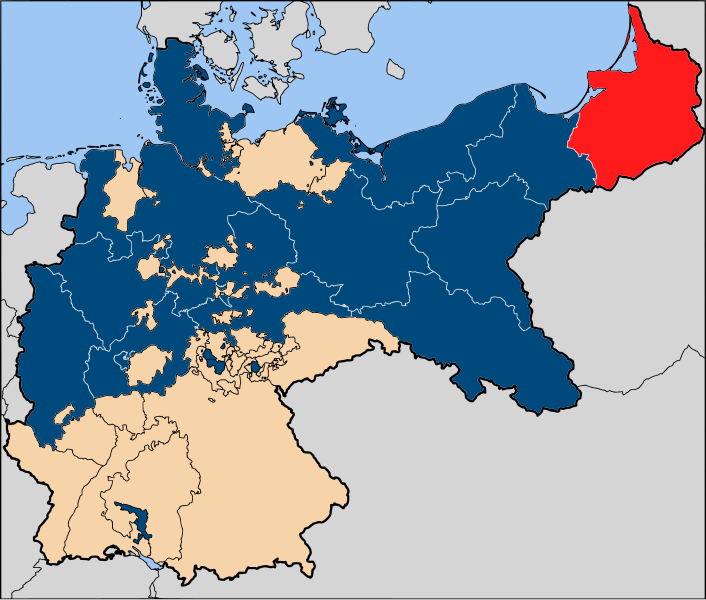
 So why does Russia have this territory anyway? It's actually a peculiar accident of history and I think an incredibly sad one. The city of Kaliningrad was until the 1950s a German city named Konigsberg. The entire area was settled by crusading Germans in the 13th century and became the kingdom of Prussia. It was actually the nucleus of what eventually became Germany, with the capital of the growing German Empire only moving from Konigsberg to Berlin in the 18th century. However after World War I, with the re-creation of a Polish state, the allied powers decided that the new country needed access to the Baltic Sea, so they created a "Polish Corridor" cutting through Germany, separating East Prussia from the rest of the German state. One of Hitler's main initial aims was to retake Poland to unite east Prussia with the remainder of Germany. But in the end of course Germany lost the war, and Russia demanded huge territorial concessions. It was decided at the Potsdam Conference that East Konigsberg should be given to Russia, resulting on one of the largest forced population moves following World War II. Before Potsdam East Prussia was almost completely inhabited by ethnic Germans, Russians had never lived in the territory. But at the end of the war about 2 million ethnic Germans were evacuated or forcibly expelled, and ethnic Russians moved in to the territory, which had been almost completely destroyed by World War II.
 Kaliningrad was made into an SSR within the Soviet state, and at the time it was contiguous with the rest of the country because the Baltic states were part of the USSR. And with Poland and East Germany in the Warsaw Pact, Kaliningrad was located comfortably well within the Soviet sphere. But with the collapse of the USSR in 1991, things suddenly changed dramatically. Lithuania and Belarus broke away from the USSR and became independent countries. However it didn't make sense for Kaliningrad to become an independent country since it was still inhabited mainly by the ethnic Russians who had moved in during the 1950's. So the territory became a Russian island hundreds of miles away from Russia. Now that Lithuania and Poland have joined the EU and the Schengen Zone, the situation has become tricky.
What makes this situation especially complicated is that Kaliningrad is a sparsely populated, barren wasteland. Russia seemed to almost purposefully punish the territory after they acquired it. Rather than developing this incredibly strategic piece of land - now Russia's only year-round Baltic port - they ignored it. It is very difficult for foreigners to be granted a visa to enter the territory, and even Russians need permission to go there. It is an incredibly sad, desolate place.
For the past 15 years, while the West considered the new Russia to be a friend, the awkward situation of Kaliningrad didn't seem so important. But now with tensions rising between the West and Russia, and with Russia threatening to build up its military presence there, the territory's status could quickly become an issue. Can the EU handle a hostile enclave within its territory?
**Fun semantic trivia for your next cocktail party: Kaliningrad is an exclave of Russia and an enclave of the EU, but it is not an exclave or enclave of Lithuania or Poland because it is not completely surrounded by either.