 European consumers will soon have the option to choose a separate mobile carrier for when they are in other EU countries, under a proposal put forward by the European Commission today. The goal is to stimulate competition in the market to make the phone companies stop charging the exorbitant rates for voice and data with which they sometimes make up to 99% profit.
The move is just the latest in a long-running battle between the mobile operators and the EU, but this is the most aggressive move yet. It is also an acknowledgement that the caps the EU set in 2007 and then extended in 2009 have not been successful in fixing the dysfunct in the market. Those caps lowered roaming rates to 45 eurocents (c) per minute within the EU. Previously the rate had been, on average, around 2 euros per minute.
Under the new plan, from July 2014 operators will be forced to open their networks to upstart competitors who can offer customers cut rate charges for roaming. They will also have to allow their customers to sign up to a seperate carrier for roaming if they so choose. The customer's phone would automatically switch to the other carrier when they go abroad, but they would keep the same number and sim card. They would then receive a separate bill from their 'roaming carrier'. Before it becomes law, the proposal must first be approved by the European Parliament and member states.
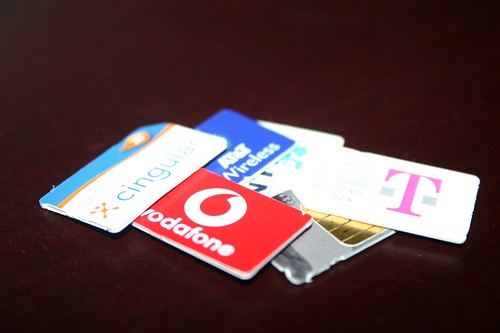 The new plan is intended as a long-term fix that will permanently alter the market. The commission hopes it will lead to a situation by the end of 2015 where the caps are no longer necessary. because healthy competition has made the large carriers offer their customers roaming rates that are the same as domestic rates. Opening the networks will also provide incentives for large mobile companies to operate across the EU. The long-term objective is to get to a situation where there is no longer 'roaming' within the EU, in the same way that there is no roaming charge when you go to a different state in the US (though when mobile phones first came out, there were such roaming charges within the US. Competition within the market eventually made those go away).
