 It's been freezing the past week here in Zurich, a situation I'm sharing with the rest of Europe as a brutal cold snap extends from London to Warsaw. And just as the chill is forcing us all to huddle around our heaters, a crisis is unfolding that could cut off the energy keeping us warm.
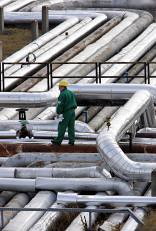
Since New Years Day, Russia has been steadily restricting its gas supply to Europe amid a dispute with Ukraine, which it accuses of siphoning off gas in transit. Now seven days later, exports of Russian gas to Europe via Ukraine appear to have completely stopped. With the EU dependant on Russia for about a quarter of its total gas supplies, 80 percent of which is pumped through Ukraine, the situation is quickly becoming a crisis. It is a crisis many have predicted as they have warned of Europe's over-dependence on Russian energy.
Now the Balkans are facing a situation where they could in a matter of days face rolling blackouts. Bulgaria says it has sufficient supplies for just a few more days, and already thousands of Bulgarian homes are without heat as temperatures in some parts of the country hit -16 degrees celcius. Other countries have now dipped into their strategic reserves. Germany and Italy, which together account for nearly 50 percent of the gas consumed in the EU, are also in danger. So far the Ukraine disruption has only been felt in the Balkans and in Greece, but this could change as soon as tomorrow.
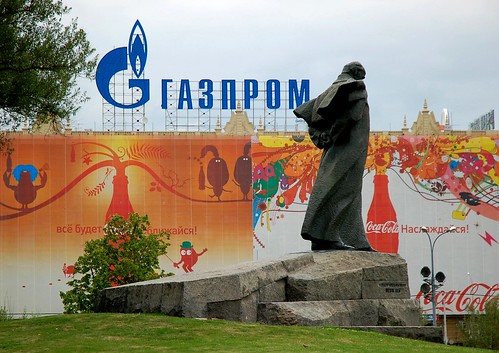
Russia's state-owned energy company Gazprom has accused Ukraine of stealing 15 percent of gas flowing through that country intended for Western Europe, however the Ukrainian government has insisted that amount is being lost through technical malfunctions only.
A Preview of Things to Come
 Even if this energy crisis is resolved, it will still likely be an important lesson for the EU. Analysts have been warning that energy independence for the block is the most pressing issue it currently faces. With Russia proving to be an increasingly assertive and sometime hostile neighbor, the fact that the country could, if it wanted, plunge Europe into a deep freeze is very worrying. Even these minor disputes over one pipeline can cause huge disruptions.
Now that Serbia’s government has agreed to sell its oil and gas company, NIS, to Russia’s Gazprom, it looks like Russia will achieve its goal of building a pipeline called "South Stream" to send gas directly into the EU. Gazprom has also done similar deals with EU members Italy, Hungary and Bulgaria, all of which is a direct challenge to the European pipeline project Nabucco, which would bring gas to Europe from Iran and Azerbaijan via Turkey, reducing EU dependence on Russia. But the Nabucco project seems to be going nowhere while Russia's plans to build dedicated pipeways to the EU moves quickly ahead.
Russia insists that the Ukraine siphoning off energy is the real threat to EU gas supplies, but foreign policy analysts know better. It is precisely the fact that the EU is reliant on Russia for energy, no matter how or through whom it is supplied, that is worrying to many here.
