Friday, 30 June 2017

Germany’s late but welcome turn on gay marriage

Merkel’s decision to allow same sex marriage is a calculated political move ahead of the election. 

For several years, Germany has seemed like a strange anomaly in Western Europe on one of the key cultural issues of the modern era. 

As country after country passed gay marriage in Europe and the Americas, Germany held out

On the gay marriage map of Europe, a wave of dark blue came rushing in from the West. Starting with The Netherlands and Belgium in 2001, countries adopted full gay marriage. 

The most surprising development came in 2015, when the Irish voted in a referendum to allow gay marriage - the first country to do so by public vote. Long known as a conservative country dominated by the Catholic church, it was a chance for the country to demonstrate just how much it has changed over the past three decades. 

But meanwhile in central Europe, everything remained frozen.

Friday, 9 June 2017

So where does this leave Brexit?

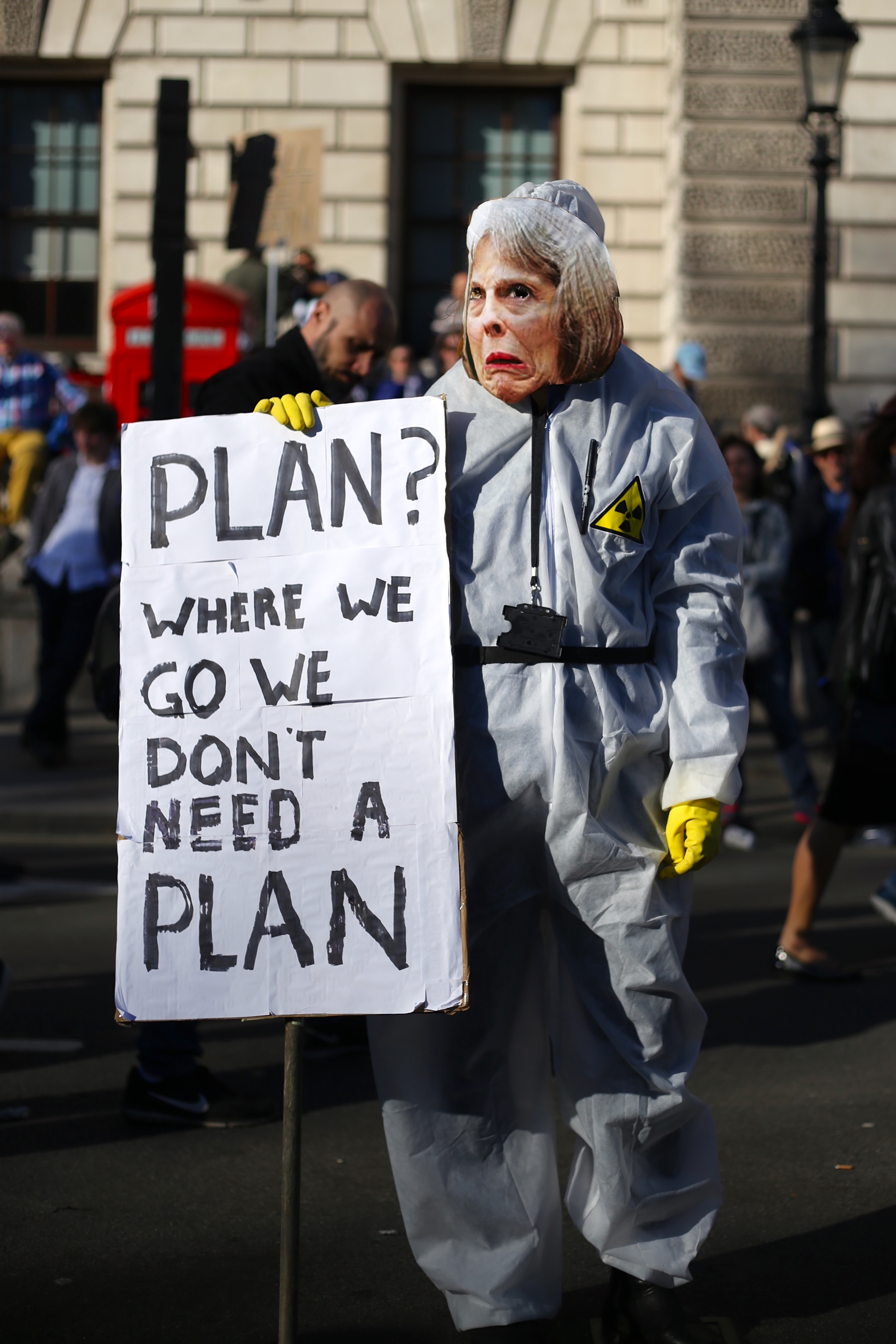
Theresa May scored an own goal with her disastrous decision to call a snap UK election, but her humiliating defeat was not a plea from the public to stay in the EU. 

When Theresa May called a snap election in April, it was a nakedly opportunistic move. 

The opposition Labour Party was in disarray, 20 points behind the Conservatives in the polls. Their leader, Jeremy Corbyn, did not command the loyalty of his MPs and had only held on to his position because of grassroots support. 

The UK Independence Party essentially had no raison d'etre any more. The one-issue party had gotten their wish - Britain was leaving the EU. The Scottish National Party looked to be in trouble in Scotland as well. May saw an opportunity to hoover up Labour, UKIP and SNP votes and give her perhaps the largest majority in UK history - making the country effectively a one-party state. It would be a big improvement from her existing situation, having inherited a razor-thin majority government from David Cameron.

Saturday, 27 May 2017

Who is Germany’s anti-Trump?

The US President heaped further scorn upon Germans during last week’s NATO summit. In a German election year, he will become the perfect foil.

Even before last week’s NATO and G7 summits in Europe, Angela Merkel knew that Donald Trump would not have kind words for the Germans.


Having already suffered the indignity of having him refuse to shake her hand during her state visit to Washington - possibly as revenge for her frosty response to his election - Merkel could have expected that Trump’s obsession with the German trade surplus and lack of military spending would again bring hostility during their second meeting. It did.

Friday, 26 May 2017

Hurricane Trump comes to Brussels

While the current US president bullied and berated in Brussels, Obama awed and inspired in Berlin. Which man truly represents the American people?

Perhaps no image of Donald Trump's visit to Brussels will be more enduring than the now-notorious video of him pushing the prime minister of Montenegro out of the way so that he could get to the front of a shot of NATO leaders.

As an US citizen, I felt a deep sense of shame watching the incident. There was something painfully American about it. The worst part was his expression after the shove - the brash sense of entitlement, the obscene strutting. In just a few seconds Trump had confirmed the stereotypes that so many Europeans have about Americans. And it was consistent with his behavior during the entire Brussels visit - bullying, gloating, preening.

Tuesday, 16 May 2017

After trauma of Lisbon, Macron faces uphill battle for EU treaty change

The new French president may have softened Merkel's resistance to change, but leaders across Europe will be wary of opening a pandora's box.

Emmanuel Macron made his first foreign visit as French president yesterday, coming here to Berlin for a meeting with Angela Merkel.

That Berlin was his first destination is no surprise. The Franco-German relationship is the most important for Paris, and also the most important relationship in the European Union as a whole. But there was an added importance to this first visit. During his campaign Macron made promises about a process of renewal and reform of the EU. None of that will be possible without the cooperation of Germany's chancellor.

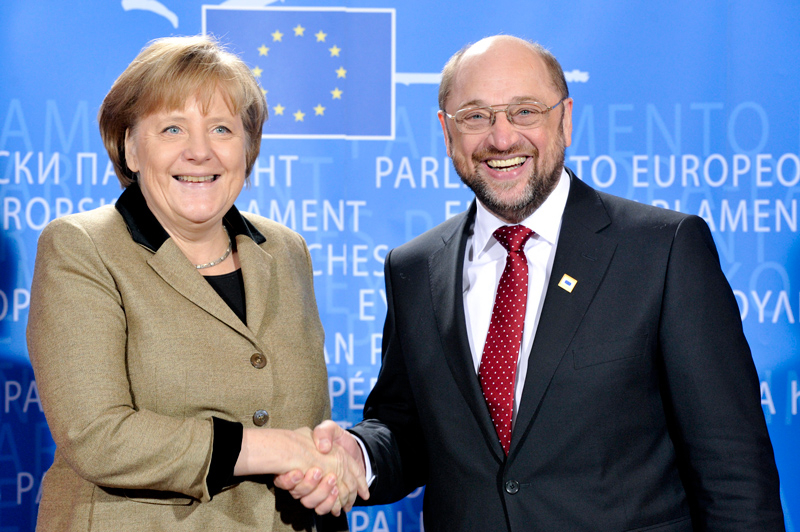
We still do not know if Merkel, a conservative, will be that chancellor. Germany is having a general election in September and she may be unseated by her center-left challenger Martin Schulz, a former president of the European Parliament.

Monday, 15 May 2017

In Eurovision, as in politics, the people wanted an outsider

At a time when the public is voting for political leaders who say they are from 'outside the system', Portugal's surprise Eurovision win shows entertainment is not immune to this trend.

When Salvador Sobral took the microphone to accept his victory in the Eurovision Song Contest in Kiev on Saturday night, it went a little differently than people might have expected.

Such speeches are usually filled with breathless platitudes, with artists thanking the fans and talking about how great the song contest is. But Sobral is not your usual Eurovision winner. He used the occasion to rail against "disposable" pop music in general - taking a few cryptic swipes at the song contest he had just won. His was "a victory for music and for people who make music that actually means something."

Given the political events of the past year, it all gave me a sense of deja vu.