Berlin may be an emerging tech hub, but Silicon Valley seems unaware
I’m in San Francisco this week, visiting my uncle and taking care of a few work meetings (potential freelancing clients). I haven’t been here in 12 years, so it’s been great to rediscover the city.
I’ve also been visiting a lot of old friends from journalism school, all of whom are working in or around the tech sector. There are a lot of opportunities out here for tech-focused reporting or copy writing these days. Given that Berlin is considered an emerging tech powerhouse in Europe, I was curious to get their take on the scene there. But what I encountered was either a lack of knowledge or a dismissive attitude. For the tech people I’ve talked to, Berlin is either a non-entity or a nuisance.
For the first time in six decades, Sweden has installed controls at its border with Denmark.
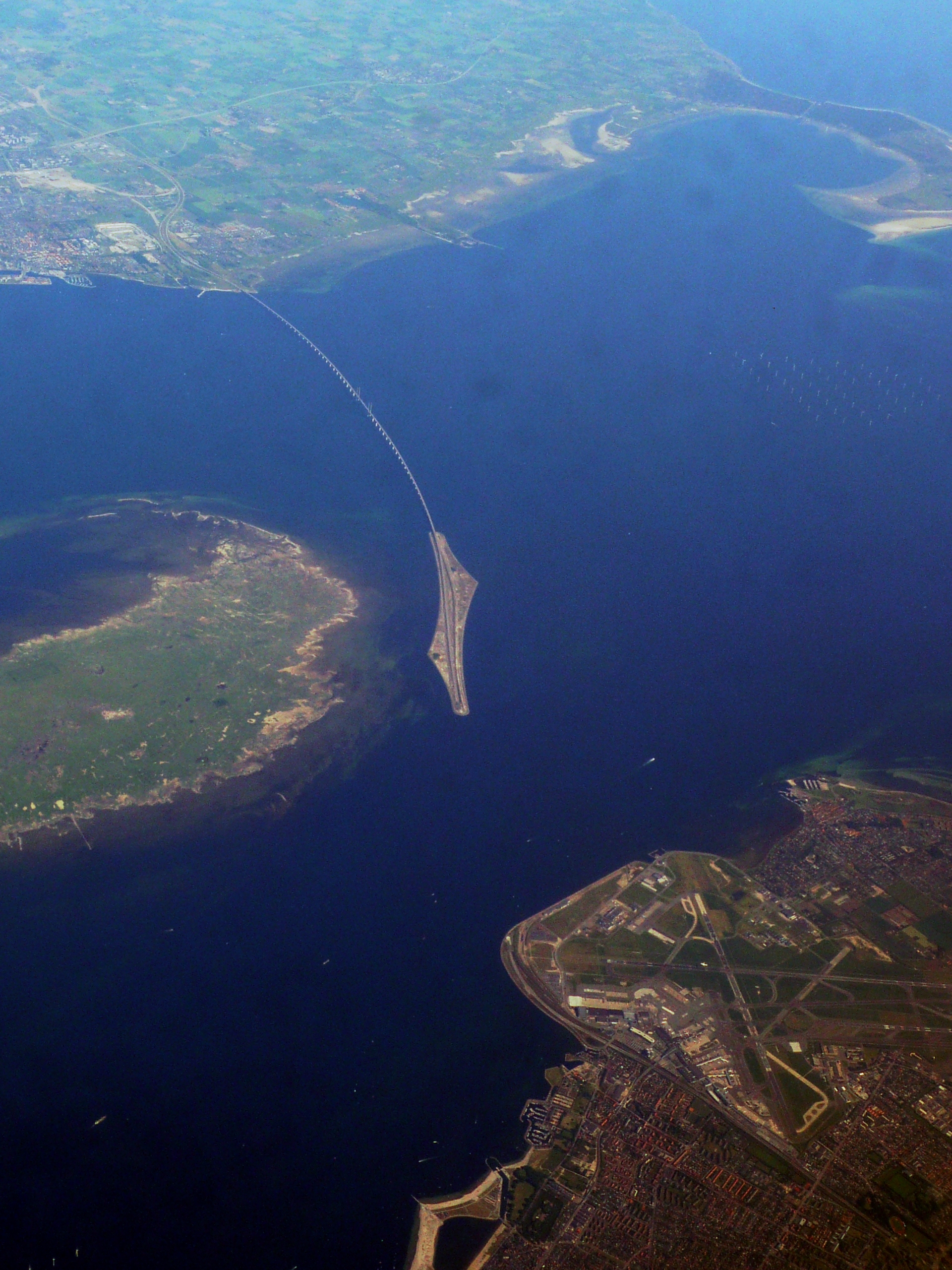
This morning, border checks took effect on the Öresund Bridge, which connects with countries of Sweden and Denmark. 30,000 people use this bridge to commute between the cities of Copenhagen and Malmo each day. For comparison, imagine New York and New Jersey setting up ID checks on the George Washington Bridge
The news might not seem particularly remarkable to British or American readers. After all, they have to go through a passport control to get to any other country, so why shouldn't Swedes or Danes?
The lockdown in Brussels last month reminded me of the days following the 9/11 attacks in New York.
I'm home in the US for the holidays, and over the weekend I discovered a treasure trove of old videos from high school and college in my parents' basement.
Among the VHS copies of my public access sketch comedy show in high school (don't worry I won't embarrass anyone by posting those videos!) I came across some footage I shot during the 9/11 attacks in New York City. I had completely forgotten about it.
People move to Berlin because they want to. People move to Brussels because they have to.
Given that I live in both cities, a lot of people have been asking me this weekend about Friday's New York Times article, 'Why Brussels is the New Berlin'. My first reaction after seeing the headline was to scoff. The article itself left me rather perplexed and annoyed.
These "________ is the new Berlin" articles are becoming a bad cliche. As Jon Worth pointed out in his blog today, this has been written about Warsaw, Leipzig, Zagreb, Krakow, Vilnius - the list goes on and on. The only prerequisite for the comparison seems to be that the city is cheap and has at least some artists in it. The Brussels-Berlin comparison is not itself new. Deutsche Welle did a similar article in August, although their piece had a more sensible focus on artists.
Germany is pushing for a 1.5 degree warming limit in the global climate agreement, but this goes beyond the EU's mandate of two degrees.
I'm in Paris this week for the big climate change summit, and it's very interesting to be here and compare it to Copenhagen five years ago. That summit, which notoriously collapsed in failure, was an absolute chaotic mess. This one, by contrast, is much calmer.
There are two reasons for this. For one, most of the groundwork has already been done before this summit. Secondly, the ambition level this time around is much lower - most notably because the reduction targets will not be legally binding.
A leaked internal document reveals Deutsche Bahn may halt all sleeper train services in Germany at the end of next year.
If you like the idea of rolling across Europe in the relaxed comfort of your bed, it looks like you've got just one year left to do it - in Germany at least.
Deutsche Bahn, the German rail operator, has reportedly signalled that it may end all city night line trains in December 2016. No more overnight trains.