One of the most frequent clichés I hear as an American living in Europe is that the US is a 'new country' while nations on this continent are 'old'. It is usually used to explain away American peculiarities, as if the US is a naïve child who just hasn't had the time to attain the wisdom of the more mature, centuries-old European states.
But however often it's repeated, this common wisdom is patently false. As a country, the United States is older than the vast majority of European states. At the time of the US declaration of independence in 1776, the states of Belgium, Germany, Italy, Finland, Romania, Slovakia, Greece and Latvia had all never existed yet in any form. And that's just to name a few. The fact is that European nations are actually quite young - and that is what makes them more agile in the face of modern problems than the United States.
Even the European countries which did exist in some form in 1776 - such as Spain, Portugal, the Netherlands and France - today barely resemble what they were at that time. The Kingdoms of France and Portugal in 1776 are now republics with completely different systems of government. And going in the other direction, the Dutch Republic in 1776 - a loose confederation of provinces - bears little resemblance to today's Kingdom of the Netherlands.
The US has had the same governing structure since 1789, the date that marks the founding of the current American republic with the adoption of the US constitution (which replaced the previous Articles of Confederation in place since 1776). The US has used the same government system since then. Contrast this with France - whose current republic has only been in place since 1958 – or the Federal Republic of Germany, which dates from 1949. Other founding dates of current European government systems include: Italy – 1947, Spain – 1978 and Poland – 1997.
In fact the only European governments that could legitimately claim to be older than the US government system are the constitutional monarchies of Britain, Denmark and Sweden – but even this is arguable since they have had significant constitutional changes over the past 200 years.
Showing posts with label debt. Show all posts
Showing posts with label debt. Show all posts
Tuesday, 2 August 2011


Monday, 25 July 2011
Political games are exacerbating both Atlantic debt crises

In the United States, Republicans are holding hostage an authorisation to raise the amount of money the US is authorised to borrow – normally a routine housekeeping operation done by every congress – until the Obama administration agrees to massive cuts in government spending. The Democrats have offered to give them those cuts, but only if they are accompanied by an increase in taxes on the wealthiest Americans and the closure of corporate tax loop holes. The Republican leadership, terrified of the reaction of their base voters to any tax increase (even if it will have no effect on 98% of Americans) have refused the offer.
If the United States does not raise the debt ceiling by 2 August, it will go into default. This would almost surely have a disastrous effect on the worldwide economy. This weekend UK Business Secretary Vince Cable said that the "rightwing nutters" who are holding the debt ceiling authorisation hostage for their short-term political gain are a bigger threat to the world economy than the problems in the eurozone.
But conservatives in America aren't the only ones playing with fire in order to reap short-term political gain. The same kind of thinking seems to be guiding Cable's coalition boss. Over the past week UK Prime Minister David Cameron and his ministers have been saying that the UK intends to exploit the current eurozone crisis in order to "maximise what we want in terms of our engagement in Europe."
Wednesday, 20 July 2011
North Atlantic crisis: US, Europe edge toward economic disaster
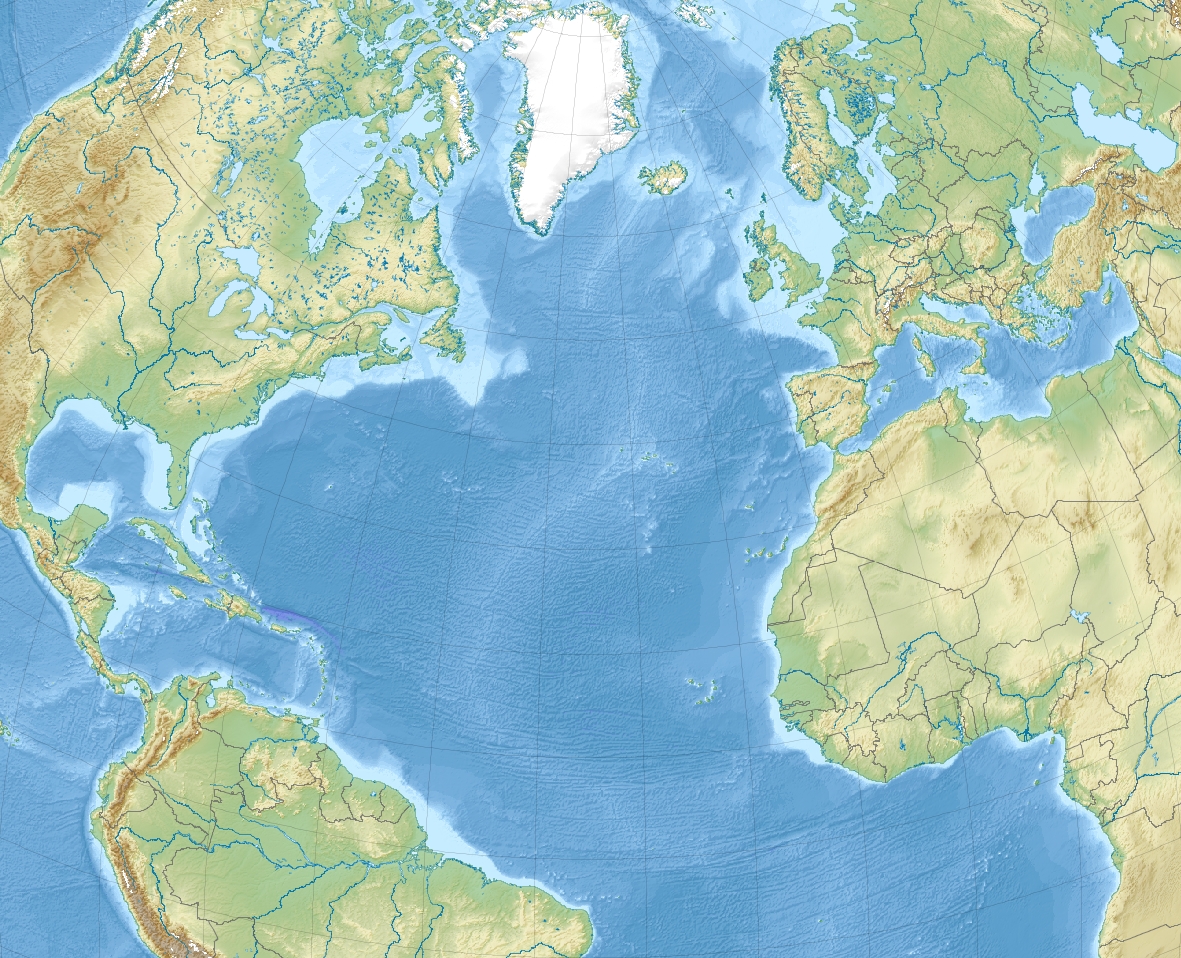
Both Europe and the US may be just days away from serious financial troubles. And if situations on either continent spin out of control, a worldwide economic panic could be ahead.
On both sides, there are obvious and straightforward solutions that could avert disaster. But in the US, the recent electoral success of a Tea Party movement that wants to see the US default on its debts has rendered the political process incapable of taking action. In Europe, the recent surge toward nationalism and a lack of political courage has rendered the EU incapable of confronting the debt crisis head on. It is a massive failure of the political systems of the Western world.
Wednesday, 13 July 2011
Eurozone in panic: Is Italy next domino to fall?
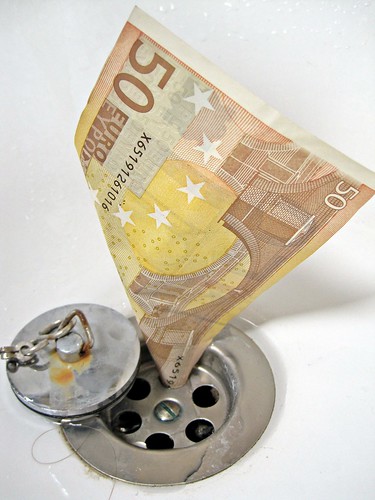
With the paralysis in the country's government likely to prevent decisive action to confront the crisis, some are saying Italy is perhaps days away from becoming an economic failed state. And unfortunately it is not too big to fail, but it is too big for the EU to bail out.
Such extreme rhetoric may or may not be justified, depending on who you talk to. But the risk is extreme. The countries that have so far fallen victim to the debt crisis and required an EU bailout – Portugal, Ireland and Greece – are relatively tiny and their debt makes up less than 5% of overall eurozone public debt. If worse came to worse, France and Germany could afford to buy back all of their debt combined.
Monday, 10 May 2010
Angie’s anguish
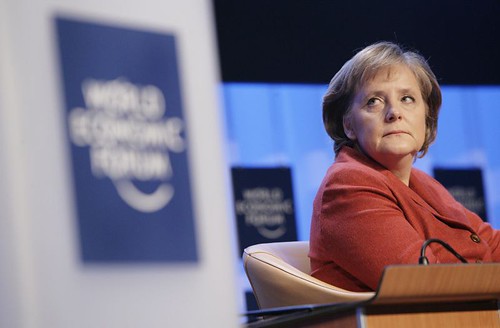 Poor Angela Merkel. You do have to sympathize with the conservative German chancellor, trapped between a rock and a hard place. The dire situation in Greece requires her to commit tons of German money to keep the crisis from spreading throughout the eurozone. But a bail-out of this Meditteranean nation that has behaved so badly is enormously distasteful to the German public.
 It’s a bit like the fable of the grasshopper and the ant. Germany has held down wages and been frugal in its spending, while Greece has been profligate and irresponsible, spending far more than they had while at the same time not bothering to collect taxes appropriately. For the average German, it’s enfuriating that the squirell will now have to bail out the racoon.
But perhaps the more appropriate literary counterpart for Angie is Hamlet. Her foot-dragging and indecision during this crisis has been blamed by many for making the crisis get far worse. In the end she had to relent - so the delay accomplished nothing but exacerbated the problem. This weekend EU finance ministers agreed to establish a €962bn emergency crisis fund. It’s designed to stop the financial market turmoil as the situation in Greece deteriorates, reassuring jittery investors that the problem will be solved. Yet many are concerned that this fund is too late, and should have been agreed weeks ago before the situation got out of hand. Back then, it was Merkel who was the lone EU leader standing in the way. She knew the German people would punish her for agreeing to a bail-out.
Tuesday, 16 March 2010
Brussels and London in finance face-off
 Tensions between the UK and the EU over finance rules seem to be coming to a head this week. No sooner had news broke today that British prime minister Gordon Brown is blocking EU efforts to increase financial regulation of hedge funds and private equity, than word was leaked that tomorrow the UK is going to get a very stern tongue-lashing about the size of its debt. Just two more examples of how when it comes to money, the English Channel is wider than the Atlantic.
Tomorrow the European Commission will tell the British government it must do more to cut its budget deficit, which is as large as that in Greece. Market watchers are growing increasingly concerned that once Greece has hit rock bottom speculators are going to turn to the UK's shaky financial system, hedging against the colossal debt. The UK is not part of the Eurozone therefor the EU has no power to exert control over the UK's plans or punish it, so the communication to come tomorrow could be considered more as "guidance". But it's very public "guidance" that will be humiliating for the Labour party.
Friday, 19 September 2008
The Blame Game
As the global financial system falls apart around our ears, a few things have stuck out to me in the way that politicians in the US are reacting to the crisis. One has been the incredibly bizarre words coming out of John McCain's mouth in response to this disastrous week. Suddenly he's lambasting a "culture of unrestrained greed" on Wall Street and urging greater oversight. This is from a senator who has been one of the biggest champions of unbridled free-market capitalism throughout his decades in the senate. Has the world gone topsy-turvey? This may be what a paniced American population wants to hear right now, but it is clearly not the way John McCain truly views how the economy should be run.
I mean who would have thought they'd see the day that Hank Paulson, who is as aggressively free market as you can get, would be leading the kind of bailouts we're seeing today. He has to, the government doesn't have a choice in these circumstances. But it's truly bizarre to see John McCain blasting "unrestrained greed" on Wall Street as causing the current crisis when he and his party have led the charge to unrestrain that greed over the past ten years.
Beyond that, I think there is something culturally interesting about the language both candidates are using about the crisis, language which shows that no matter which candidate is elected in November, the US is unlikely to address the fundamental problem it faces any time soon.
Big Bad "Washington"
Both candidates are blaming the crisis on purely conceptual factors like "Wall Street Greed." It is symptomatic of the way the entire campaign has been phrased. The many problems America currently faces are the fault of "Washington," "terrorism," "lobbyists," "oil companies," you name it. In fact if you listen to American politicians, the one group that doesn't share any blame for the country's problems is the American people themselves.
But this argument is not only illogical, it's also unproductive. The dirtiest word during this election campaign has probably been "Washington." This is nothing new. Each election since Nixon has been presented to the American public in this way: Washington is broken and we need an 'outsider' or a 'maverick' to change it. It's how Reagan, Clinton and Bush were all elected. But this year the anti-Washington rhetoric seems to have hit new heights. And yet, what is Washington? Washington is a creation of the people, full of democratically elected politicians who the American public put there. Washington is, therefor, a reflection of the US population. So if there's something wrong with Washington, then there's something wrong with the US public.
The current economic troubles have been presented in the same way, as if it's all conceptual factors that are affecting the blameless American people. Nowhere was this more evident than when John McCain made the bonehead mistake of repeating his "the fundamentals of the economy are strong" line in Florida Monday morning on the day of the Lehman Brothers collapse. Rapidly going into damage control mode, he quickly shifted his wording later in the day to say that the 'fundamentals' he was referring to was the 'hard-working American worker.' Beyond being a laughable backtrack, it reflects the fundamental problem with the way American politicians are dealing with this cris. They're not being straight with the American people, because they won't tell them that it is the people who are to blame.
Debt Addiction
The American economy has been fundamentally operating on borrowed money for decades now. From the most microeconomic level (Americans now have a negative rate of average savings) to the most macroeconomic (the national debt is at a record high level), America is addicted to spending money it does not have to fund an opulant lifestyle. And it isn't just consumer debt like credit cards that has saddled the American people and the American economy. People took out mortgages that they couldn't possibly pay back, thereby spurring the mortgage crisis. People took out student loans that they knew they wouldn't be able to pay back for 30 years (I'm one of them). A combination of a lack of government oversight and assistance and Americans own culture of greed and vanity has pushed the country into a system where it lives far beyonds it means.
The average family debt in America is around $30,000, and that's not even including mortgages and student debt. The average college graduate from a private university leaves school with $60,000 in debt (Me? I had $120,000 in debt by the time I finished grad school). And how does Americans' -0.2 percent rate of savings compare our rapidly emerging superpower rival? In China, the average savings rate is 20 percent.
Jimmy Carter was the last president to touch this issue with a ten foot pole, in a speech he gave shortly before he lost the election to Ronald Reagan. The speech, widely called the "malaise" speech because it seemed defeatist, is widely credited with losing the reelection for Carter, who was defeated by Ronald Reagan who promised the American people "morning in America" with an endless luxurious lifestyle. Reagan then plunged the nation into an unprecedented level of peacetime national debt.
America has a problem. It is addicted to spending money, and resources, it does not have. The only solution to this problem is for Americans to stop spending what they don't have. But no politician is willing to say that. Instead, everyone in government is blaming the ethereal concepts of "Washington" and "Wall Street." And while much of this crisis can be blamed on the deregulation that a Republican congress has championed over the past 15 years (and that New Democrats rubber-stamped), most of it can be blamed on Americans' spend today, worry about it tomorrow lifestyle. The only real solution, for people, government and business, is to live within our means.
But per usual, when something goes wrong with the United States, it is never the fault of its citizenry. When a hijacking disaster came to its shores, it was blamed on the ethereal concept of "terrorism" rather than American foreign policy or the isolationism of its citizenry. When George W. Bush was elected - twice - it was somehow the fault of some larger "Washington" system rather than the fault of the voters themselves. And now, with the financial crisis, once again we see that Americans are refusing to look in the mirror and take responsibility for their own culture and their own lifestyle.
Self-Efacing Europe
I can tell you that this contrasts sharply with how Europeans view their own problems. When I speak with Europeans about the problems plaguing Europe, and the inability of the continent to address those problems, they throw their hands up in the air and give a morose explanation about how Europeans have petty rivalries and nationalism that make them unable to cooperate, or how they are are rendered complacent by their generous social welfare systems, or how the people of Europe lack any significant ambition or direction. They don't blame their concepts on etherial concepts, but rather themselves. They could never be as sucesful as America, so many of them say to me, because Europeans don't have the same drive for success.
In the end, I'd say Americans could do with a lot less self confidence and Europeans could do with a lot more. Americans inability to take personal responsibilty and tendency to blame vague concepts for their woes has gotten them into a quagmire in which they are unable to come up with real solutions to their problems. Europeans' lack of self confidence and their acceptance of a storyline that paints them as lazy and complacent makes it difficult to achieve any new success.
Maybe America has some extra swagger it could loan to Europe for awhile.
I mean who would have thought they'd see the day that Hank Paulson, who is as aggressively free market as you can get, would be leading the kind of bailouts we're seeing today. He has to, the government doesn't have a choice in these circumstances. But it's truly bizarre to see John McCain blasting "unrestrained greed" on Wall Street as causing the current crisis when he and his party have led the charge to unrestrain that greed over the past ten years.
Beyond that, I think there is something culturally interesting about the language both candidates are using about the crisis, language which shows that no matter which candidate is elected in November, the US is unlikely to address the fundamental problem it faces any time soon.
Big Bad "Washington"
Both candidates are blaming the crisis on purely conceptual factors like "Wall Street Greed." It is symptomatic of the way the entire campaign has been phrased. The many problems America currently faces are the fault of "Washington," "terrorism," "lobbyists," "oil companies," you name it. In fact if you listen to American politicians, the one group that doesn't share any blame for the country's problems is the American people themselves.
But this argument is not only illogical, it's also unproductive. The dirtiest word during this election campaign has probably been "Washington." This is nothing new. Each election since Nixon has been presented to the American public in this way: Washington is broken and we need an 'outsider' or a 'maverick' to change it. It's how Reagan, Clinton and Bush were all elected. But this year the anti-Washington rhetoric seems to have hit new heights. And yet, what is Washington? Washington is a creation of the people, full of democratically elected politicians who the American public put there. Washington is, therefor, a reflection of the US population. So if there's something wrong with Washington, then there's something wrong with the US public.
The current economic troubles have been presented in the same way, as if it's all conceptual factors that are affecting the blameless American people. Nowhere was this more evident than when John McCain made the bonehead mistake of repeating his "the fundamentals of the economy are strong" line in Florida Monday morning on the day of the Lehman Brothers collapse. Rapidly going into damage control mode, he quickly shifted his wording later in the day to say that the 'fundamentals' he was referring to was the 'hard-working American worker.' Beyond being a laughable backtrack, it reflects the fundamental problem with the way American politicians are dealing with this cris. They're not being straight with the American people, because they won't tell them that it is the people who are to blame.
Debt Addiction
The American economy has been fundamentally operating on borrowed money for decades now. From the most microeconomic level (Americans now have a negative rate of average savings) to the most macroeconomic (the national debt is at a record high level), America is addicted to spending money it does not have to fund an opulant lifestyle. And it isn't just consumer debt like credit cards that has saddled the American people and the American economy. People took out mortgages that they couldn't possibly pay back, thereby spurring the mortgage crisis. People took out student loans that they knew they wouldn't be able to pay back for 30 years (I'm one of them). A combination of a lack of government oversight and assistance and Americans own culture of greed and vanity has pushed the country into a system where it lives far beyonds it means.
The average family debt in America is around $30,000, and that's not even including mortgages and student debt. The average college graduate from a private university leaves school with $60,000 in debt (Me? I had $120,000 in debt by the time I finished grad school). And how does Americans' -0.2 percent rate of savings compare our rapidly emerging superpower rival? In China, the average savings rate is 20 percent.
Jimmy Carter was the last president to touch this issue with a ten foot pole, in a speech he gave shortly before he lost the election to Ronald Reagan. The speech, widely called the "malaise" speech because it seemed defeatist, is widely credited with losing the reelection for Carter, who was defeated by Ronald Reagan who promised the American people "morning in America" with an endless luxurious lifestyle. Reagan then plunged the nation into an unprecedented level of peacetime national debt.
America has a problem. It is addicted to spending money, and resources, it does not have. The only solution to this problem is for Americans to stop spending what they don't have. But no politician is willing to say that. Instead, everyone in government is blaming the ethereal concepts of "Washington" and "Wall Street." And while much of this crisis can be blamed on the deregulation that a Republican congress has championed over the past 15 years (and that New Democrats rubber-stamped), most of it can be blamed on Americans' spend today, worry about it tomorrow lifestyle. The only real solution, for people, government and business, is to live within our means.
But per usual, when something goes wrong with the United States, it is never the fault of its citizenry. When a hijacking disaster came to its shores, it was blamed on the ethereal concept of "terrorism" rather than American foreign policy or the isolationism of its citizenry. When George W. Bush was elected - twice - it was somehow the fault of some larger "Washington" system rather than the fault of the voters themselves. And now, with the financial crisis, once again we see that Americans are refusing to look in the mirror and take responsibility for their own culture and their own lifestyle.
Self-Efacing Europe
I can tell you that this contrasts sharply with how Europeans view their own problems. When I speak with Europeans about the problems plaguing Europe, and the inability of the continent to address those problems, they throw their hands up in the air and give a morose explanation about how Europeans have petty rivalries and nationalism that make them unable to cooperate, or how they are are rendered complacent by their generous social welfare systems, or how the people of Europe lack any significant ambition or direction. They don't blame their concepts on etherial concepts, but rather themselves. They could never be as sucesful as America, so many of them say to me, because Europeans don't have the same drive for success.
In the end, I'd say Americans could do with a lot less self confidence and Europeans could do with a lot more. Americans inability to take personal responsibilty and tendency to blame vague concepts for their woes has gotten them into a quagmire in which they are unable to come up with real solutions to their problems. Europeans' lack of self confidence and their acceptance of a storyline that paints them as lazy and complacent makes it difficult to achieve any new success.
Maybe America has some extra swagger it could loan to Europe for awhile.
Subscribe to:
Posts (Atom)